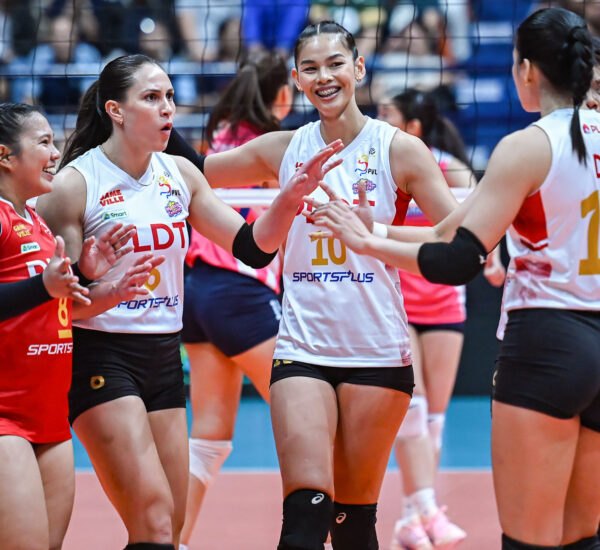
A city can feel scattered until a game gives everyone the same reason to look up. Across the United States, sports stories turn ordinary weeks into shared chapters, giving neighbors, families, students, local workers, and lifelong fans something common to carry into conversation. A high school rivalry in Texas, a Little League run in Pennsylvania, a WNBA playoff surge in New York, or a college football Saturday in Alabama can all create the same rare feeling: people who may disagree on everything else suddenly care about the same outcome. Local publishers, team blogs, radio hosts, and community platforms such as regional media networks help keep those moments alive after the final whistle. The real power sits in what happens next. People retell the comeback, argue about the missed call, defend the coach, praise the freshman, and remember where they were when the season turned. That shared memory becomes part of local identity, and sports stories give communities a language they can return to year after year.
Why Shared Games Become Shared Identity
Every town has its own way of marking time, and sports often become the calendar people feel most deeply. Seasons do more than organize games; they create emotional landmarks. A community remembers the year the underdog team shocked the favorite, the winter a coach held a roster together, or the spring a group of seniors gave the town one last reason to gather. That is why a score can fade while the feeling stays sharp.
Community pride grows from familiar names
Community pride feels strongest when the people on the field, court, or track are not distant celebrities but familiar faces. In many American towns, fans know the quarterback’s parents, the volleyball captain’s teacher, or the retired coach who still sits three rows from the bench. That closeness changes the story. The team does not represent an abstract brand; it represents people the community has watched grow up.
A small-town baseball team that reaches a state tournament can turn a normal week into a civic event. Businesses paint windows. Schools adjust schedules. Grandparents who have not attended a game in years suddenly ask for updates. Community pride rises because the team’s effort feels connected to everyone who helped shape the players before the spotlight arrived.
That connection can surprise outsiders. They may see a modest crowd and assume the stakes are small. Locals know better. One athlete’s late basket can carry years of bus rides, booster club fundraisers, family sacrifice, and neighborhood belief. The scoreboard shows points, but the town sees proof that its investment meant something.
Local teams give people a common language
Local teams help people talk to each other when conversation might otherwise stall. A grocery store cashier can ask about Friday night’s game. A barber can debate the new lineup. A teacher can use a team’s discipline as a lesson without sounding preachy. The team becomes a safe starting point for connection.
This matters in a country where communities often feel split by politics, income, age, and background. Local teams do not erase those gaps, but they can soften them for a few hours. A retired factory worker and a teenage student may not share many daily concerns, yet both can remember the same overtime win. That shared reference gives them common ground.
The unexpected part is that defeat can build the same language. A hard loss gives people something to process together. They talk about effort, missed chances, injuries, and next year. Winning thrills a community, but caring after a loss proves the bond runs deeper than celebration.
How Seasonal Rituals Turn Fans Into Neighbors
Once a team becomes part of local identity, the season starts shaping habits. People do not gather only because a game appears on the schedule. They gather because they have built rituals around it. Tailgates, watch parties, marching band nights, youth clinics, pep rallies, and neighborhood barbecues turn sports into a social rhythm that reaches far beyond the athletes.
Shared traditions create belonging before kickoff
Shared traditions matter because they give people a role before the result is known. A fan does not need to be an expert to wear school colors, bring food to a tailgate, clap during the fight song, or stand along a parade route. The ritual lowers the barrier to entry. You belong by showing up.
Across the United States, college football Saturdays show this clearly. In places like Ann Arbor, Baton Rouge, Columbus, and Athens, the game begins long before kickoff. Streets fill, families return, alumni reconnect, and local businesses prepare for a rush that feels part festival, part reunion. Shared traditions make the event larger than the contest itself.
The same pattern appears at a smaller scale in youth sports. Parents set up folding chairs in the same corner of the field. Siblings chase each other behind the bleachers. Someone always brings extra water. These habits may look ordinary, but they quietly build trust. Over time, families stop being strangers with kids on the same roster and become a support system.
Fan connection lasts through ordinary weeks
Fan connection does not disappear when the stadium lights go off. People carry the season into Monday mornings, lunch breaks, group chats, and school hallways. That afterlife gives sports its unusual staying power. A two-hour game can feed conversation for days.
In cities with major pro teams, fan connection often cuts across neighborhood lines. A New York Knicks playoff run, a Detroit Lions surge, or a Kansas City Chiefs season can pull together people who live different lives but share the same emotional weather. When the team wins, the city feels lighter. When it loses, everyone seems to know the mood without asking.
Yet the deepest bonds often form in ordinary weeks, not championship moments. Fans learn patience together. They complain together. They talk themselves into hope together. A season gives people a reason to keep checking in, and that repeated contact matters. Community is not built by one grand event. It is built by a hundred small reasons to speak.
Why Storytelling Gives Sports Its Staying Power
Games end quickly, but stories keep moving. A box score can tell you who won, who scored, and how much time remained. It cannot explain why a mother cried in the stands, why a bench player’s minutes mattered, or why a neighborhood felt seen by a team that refused to quit. Storytelling fills that gap, and it gives sports its emotional reach.
Human stories make athletes feel close
Human stories pull fans behind the uniform. A running back returning after injury, a swimmer training before sunrise, a coach caring for an aging parent, or a first-generation college athlete earning a scholarship gives people something deeper than performance to follow. The athlete becomes more than a stat line.
This is where sports stories carry real weight in American communities. They reveal the work hidden behind the highlight. They show the family rides, the missed parties, the second jobs, the taped ankles, the lonely rehab sessions, and the quiet pressure of representing more than yourself. Fans respond because the struggle feels familiar, even when the talent does not.
A strong profile of a high school wrestler from Iowa or a softball pitcher from Arizona can travel through a community faster than a game recap. People share it because it confirms something they want to believe: effort still matters, character still shows, and young people can still give a place reason to stand taller.
Local media keeps memory from fading
Local media often becomes the community’s memory keeper. A student journalist covering a state final, a radio host calling a walk-off hit, or a small-town photographer capturing a senior night hug can preserve moments that would otherwise vanish by Monday. The work may not trend nationally, but it matters deeply where the story lives.
This role has grown more important as national coverage concentrates attention on major markets and superstar athletes. Local teams need storytellers who know the texture of the place. A national outlet may describe a win as an upset. A local reporter knows the assistant coach lost sleep over the defensive plan, the gym roof leaked during practice, and the seniors had carried the program through two losing seasons.
Memory needs witnesses. Without them, communities lose the details that make a season worth retelling. A good local story does not only record what happened; it gives people a version of the moment they can hand to someone else later.
How Sports Builds Bridges Across Generations
Sports connects generations because each season adds a new layer to an old conversation. Parents compare current players to former stars. Grandparents explain how the rivalry used to feel. Kids discover that the adults around them once cared with the same wild intensity they do now. The result is not nostalgia for its own sake. It is a living handoff.
Older fans pass down more than memories
Older fans pass down rituals, standards, and emotional context. They teach younger fans when to stand, which rival matters most, why a certain jersey number carries weight, and why a routine win can still feel satisfying after years of losing. Those lessons make fandom feel inherited rather than purchased.
A Boston family watching the Red Sox, a Green Bay family planning around Packers games, or a Kentucky family treating basketball season like a second calendar all show how this works. The team becomes a thread through birthdays, moves, marriages, and holidays. The roster changes, but the act of caring together stays.
The counterintuitive truth is that younger fans do not always need the old stories to be glorious. They need them to be honest. Hearing about heartbreak, bad seasons, and almost-great teams teaches patience. It also makes the next breakthrough feel earned rather than consumed.
Youth participation turns spectators into contributors
Youth sports gives children a way to move from watching to belonging. A kid who attends a local basketball game may later join a recreation league, volunteer as a ball kid, keep score, or dream of wearing the same school colors. Participation turns the community story from something they observe into something they help write.
That shift matters because spectatorship alone can become passive. Youth involvement creates responsibility. Players learn that the crowd is not a backdrop; it includes neighbors who gave time, money, encouragement, rides, and patience. The community learns the same lesson from the other side. Supporting young athletes becomes a way of investing in character, not only wins.
A season can teach children how adults show up for one another. They see who brings snacks, who cheers for every player, who consoles after mistakes, and who keeps faith when the record looks rough. Those lessons last longer than standings. They shape how young people understand commitment.
Conclusion
Communities do not come together by accident. They need gathering points, shared language, trusted rituals, and moments that feel worth remembering. Sports offers all four when people treat it as more than entertainment. The smartest towns, schools, cities, and local outlets understand this and protect the stories around the games with care. They do not wait for championships to pay attention. They notice the senior who stayed loyal, the coach who built belief, the fans who kept showing up, and the small traditions that made strangers feel like neighbors. That is where sports stories earn their place in American life. They remind people that belonging is not built in speeches or slogans; it is built in bleachers, living rooms, bus rides, local headlines, and season after season of shared belief. Your next step is simple: support the teams near you, tell the stories that deserve to travel, and help your community remember what brought it together.
Frequently Asked Questions
How do sports stories bring communities together in the USA?
They give people a shared emotional experience that crosses age, background, and neighborhood lines. A season creates common memories through wins, losses, rituals, and local heroes, which makes conversation easier and belonging feel more natural.
Why do local teams matter so much to community pride?
Local teams represent familiar people, shared effort, and the character of a place. When athletes from the area succeed, residents often feel that the whole community has been seen, respected, and rewarded for its support.
How do shared traditions around sports build stronger neighborhoods?
Shared traditions give people repeated reasons to gather in the same places with the same sense of purpose. Tailgates, watch parties, pep rallies, and youth games turn casual contact into trust over time.
What role does local media play in community sports coverage?
Local media preserves the details that national coverage often misses. Reporters, photographers, and broadcasters capture the people, context, and emotion behind a season, helping communities remember why a game mattered.
Why do fans stay connected even after a losing season?
Fans stay because the bond is not only about winning. A losing season can still offer effort, loyalty, young talent, coaching lessons, and shared hope, all of which keep people emotionally invested.
How can youth sports strengthen community connection?
Youth sports brings families, schools, coaches, volunteers, and local businesses into the same circle. Children gain support, adults build relationships, and the community sees its values reflected through teamwork and effort.
What makes sports storytelling different from regular game recaps?
A recap explains what happened, while storytelling explains why it mattered. Strong sports storytelling connects performance to people, place, pressure, sacrifice, memory, and meaning.
How can communities support better local sports stories?
They can attend games, share local coverage, support school and youth programs, recognize athletes beyond star players, and encourage local outlets to tell deeper stories. The more people participate, the richer the season becomes.